Opportunity Zones Explained: What’s Changing in 2027 and Why It Matters with Michael O’Shea (Ep. 91)
Podcast: Play in new window | Download | Embed
For investors facing concentrated wealth or future liquidity events, understanding tax-aware planning options matters long before decisions are required. Opportunity Zones are one of the most talked-about and least understood tools in that conversation.
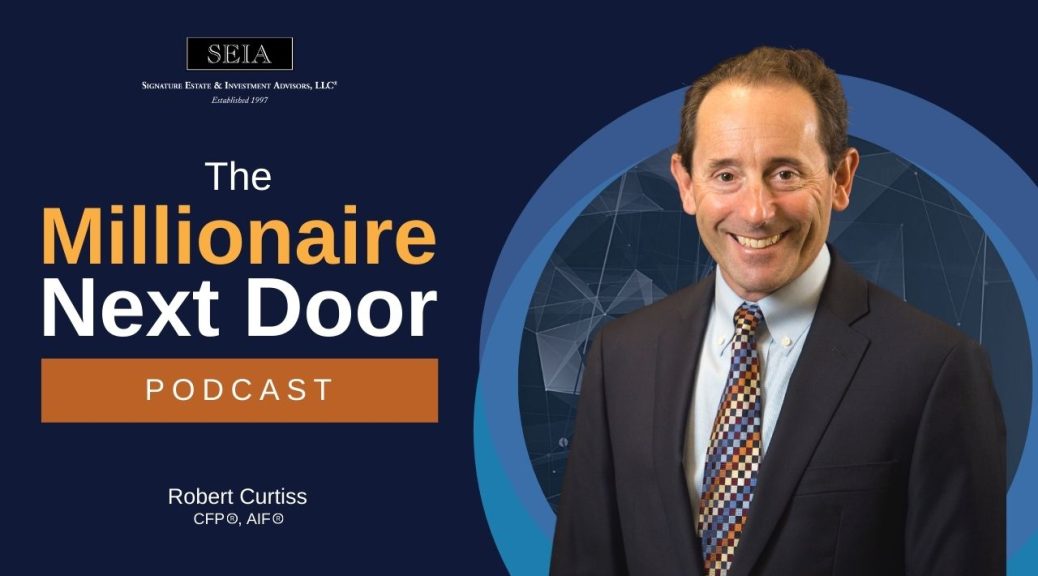
In this episode of The Millionaire Next Door Podcast, Robert Curtiss sits down with Michael O’Shea, CFA, Head of Private Wealth at Origin Investments, to unpack one of the most misunderstood and potentially powerful tax planning tools available today: Qualified Opportunity Zones.
Together, they walk through how Opportunity Zones work, why the original structure created a temporary pause in interest, and why upcoming changes beginning in 2027 may reopen the door for investors facing large capital gains. The conversation focuses on real-world planning scenarios, including concentrated stock positions, private business exits, and highly appreciated real estate.
Michael explains how Opportunity Zones differ from 1031 exchanges, what the long-term benefits may look like when paired with professionally managed real estate development, and why advanced coordination with tax and legal advisors matters. This episode is designed as an evergreen educational resource for investors who want to understand their options well before a liquidity event occurs.
Key takeaways:
- How Qualified Opportunity Zones work and why they were created
- What’s changing in Opportunity Zone legislation starting in 2027
- How Opportunity Zones may help address large capital gains from stocks, businesses, or real estate
- Why long-term real estate development and coordinated planning are key to using this strategy effectively
- And more!
Resources:
Connect with Michael O’Shea:
Connect with Robert Curtiss:
- rcurtiss@seia.com
- (626) 795-2944
- About Robert Curtiss
- LinkedIn: Robert Curtiss
- Facebook: Robert Curtiss
- SEIA
- LinkedIn: SEIA
About Our Guest:
Michael brings more than 18 years of real estate and capital markets expertise to Origin as Director and Head of Private Wealth Solutions. In this role, he leads the firm’s capital raising initiatives, oversees the sales strategy, and develops strategic partnerships with Registered Investment Advisors (RIAs) to expand Origin’s investment platform.
Previously, Michael served as the head of Origin Exchange, the firm’s 1031 Exchange Platform. During his career in the alternative investment sector, Michael has played key roles with various real estate sponsors, facilitating the syndication of more than $10 billion in commercial real estate investments, including over $500 million in 1031 tax-deferred exchanges.
Michael holds an MBA with dual concentrations in Finance and Real Estate Investment from DePaul University, where he graduated summa cum laude. He earned his bachelor’s degree from Purdue University and is a CFA® charterholder.
A resident of Elmhurst, Michael lives with his wife Lauren and their three children Declan, Alice, and Tristan. Outside of work, he enjoys golf, Chicago sports, and spending time with his family.